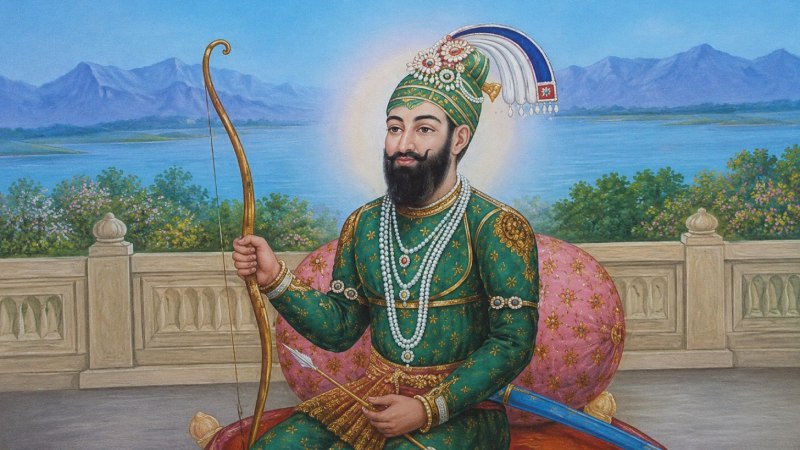
Guru Gobind Singh Ji is the tenth Sikh Guru. He was a spiritual leader, warrior, philosopher, and poet. However, all ten Sikh Gurus have an important role in Sikhism, but Guru Gobind Singh made the greatest sacrifice for the Sikhism and humanity. He sacrificed everything, including his family, for the protection of religion and righteousness; that's why he earned the title "Sarbans Dani".
When is Guru Gobind Singh's birth anniversary, Gurugaddi, and Joti Jot in 2026?
| Event | Date 2026 |
|---|---|
| ਪ੍ਰਕਾਸ਼ ਗੁਰਪੁਰਬ ਸ੍ਰੀ ਗੁਰੂ ਗੋਬਿੰਦ ਸਿੰਘ ਸਾਹਿਬ ਜੀ | 15 January 2026 |
| ਗੁਰਿਆਈ ਦਿਵਸ ਸ੍ਰੀ ਗੁਰੂ ਗੋਬਿੰਦ ਸਿੰਘ ਸਾਹਿਬ ਜੀ | 12 December 2026 |
| ਜੋਤੀ-ਜੋਤਿ ਦਿਵਸ ਸ੍ਰੀ ਗੁਰੂ ਗੋਬਿੰਦ ਸਿੰਘ ਸਾਹਿਬ ਜੀ | 14 November 2026 |
| ਵਿਆਹ ਪੁਰਬ ਸ੍ਰੀ ਗੁਰੂ ਗੋਬਿੰਦ ਸਿੰਘ ਸਾਹਿਬ ਜੀ (ਗੁਰੂ ਕਾ ਲਾਹੌਰ) | 11 February 2026 |
When and where Guru Gobind Singh Ji Born?
Guru Gobind Singh Ji was born on 22 December 1666 in Patna Sahib, Bihar, India. Gobind Rai was his childhood name. His father was Guru Tegh Bahadur Ji, and his mother was Mata Gujri Ji. Guru Gobind Singh Ji was the only child of his parents.
Guru Gobind Singh married to Mata Jito Ji on June 21, 1677, and had three sons: Sahibzada Jujhar Singh Ji, Sahibzada Zorawar Singh Ji, and Sahibzada Fateh Singh Ji. Later, he married to Mata Sundari on April 4, 1684. He was blessed with a son: Sahibzada Ajit Singh Ji. Mata Sahib Devan Ji was the spiritual mother of the Khalsa, which means Mata Sahib Kaur accepted Guru ji as her husband by soul.
When did Guru Gobind Singh Ji become the Sikh Guru?
When Guru Tegh Bahadur Ji was martyred in Delhi. After that, Guru Gobind Singh Ji became the tenth Sikh Guru in 1675 at the age of nine.
Guru Gobind Singh displayed the qualities of a spiritual leader, fearless warrior, poet, philosopher, and saint from childhood. He spent his early childhood in Patna Sahib before moving to Punjab with his family. Guru Gobind Singh Ji received both religious and military education. At Anandpur Sahib, Bhai Bajjar Singh trained Guru Ji in martial arts and horse riding. He was trained in weaponry and horse riding. He studied Persian, Sanskrit, and Gurmukhi. He composed writings in Punjabi, Hindi, Sanskrit, and Persian.
When and Why was the Khalsa Panth established?
Guru Gobind Singh established the Khalsa Panth on Vaisakhi, 13 April 1699, at Anandpur Sahib. Its main motive was to inspire Sikhs to live with courage, discipline, and selfless service. He wanted to protect the innocent from religious persecution. Guru Ji gave Sikhs a unique identity through the Five Kakars (Kesh, Kangha, Kara, Kirpan, and Kachhera).
What happened on Vaisakhi in 1699 and how was the Khalsa Panth established?
Guru Gobind Singh Ji established the Khalsa Panth by choosing the Panj Pyare (Five Beloved Ones). Guru Gobind Singh Ji asked for five heads on Vaisakhi in 1699 at Anandpur Sahib. This was to test the absolute faith, loyalty, and commitment of his Sikhs, and to establish the fearless core of the Khalsa. He started the Amrit Sanchar (Sikh baptism) ceremony. This historic event took place at Anandpur Sahib in the presence of thousands of Sikhs. First, Guru Gobind Singh Ji administered Amrit to the Panj Pyare. Guru Gobind Singh Ji himself received Amrit from the Panj Pyare, followed by tens of thousands of followers.
Which battles did Guru Gobind Singh Ji fight?
Guru Gobind Singh Ji fought several battles against the Mughal Empire and regional hill rajas. Most importantly, the Battle of Bhangani (1688), the Battle of Nadaun, and the Battle of Chamkaur (1704). Guru Gobind Singh Ji never fought any war for land, wealth, or personal gain. Guru Gobind Singh Ji fought battles to protect innocent people, stand against injustice, and for religious freedom.
Guru Gobind Singh Ji's writings
Guru Gobind Singh Ji was also a great scholar and poet. Guru Gobind Singh Ji composed major devotional and poetic works, including Jaap Sahib, Akal Ustat, Bachittar Natak, Chandi di Var, and the Zafarnamah. Many of these compositions are included in the Dasam Granth.
When and why did Guru Gobind Singh Ji make Guru Granth Sahib the eternal Guru?
Guru Gobind Singh Ji declared Guru Granth Sahib Ji as the eternal Guru of the Sikhs before leaving the physical world (joti jot) at Takht Sri Hazur Sahib (Nanded) on October 20, 1708. Guru Ji ended the tradition of human Gurus and started the tradition of Guru Granth and Guru Panth. Guru Granth Sahib Ji became the eternal spiritual and Shabad Guru. He declared, "Guru Maneyo Granth," from that day onward.
Guru Gobind Singh Ji taught equality of all humans, stood for justice and believed in devotion to one Supreme God. He is remembered as "Badshah Darvesh", a spiritual master who was a king and a saint at one and the same time.