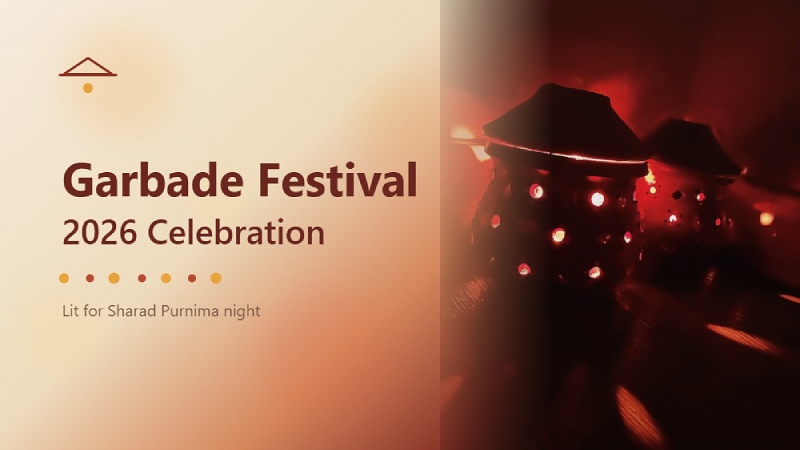
Garbade is a traditional folk festival associated with the Puadh region of Punjab and Haryana. Garbade Festival is a small but memorable folk tradition connected with the full moon of Sharad Purnima. Garbade is the earthen lamp in which a diya is placed. People celebrate this day on Purnima night. The Garbade celebration starts in the evening, when children decorate and carry handmade clay lamps, which are called Garbade. Then the children visit neighbours' homes by singing Garbade songs. People give money and sweets or put oil in Garbade lamps.
Date of the Garbade in 2026
Garbade is traditionally observed on the Sharad Purnima/Puranmashi night. Every year, the date changes due to the local and lunar calendar. Sharad Purnima normally falls in October or November, depending on the lunar calendar.
Garbade Festival history
The history of Garbade is known mainly through local tradition, not through detailed written historical records. There is no real documentary evidence connecting this festival to any person, year, or event in history. In Punjabi sources, it is commonly written as ਗਰਬੜੇ or ਗੜਬੜੇ. The Garbade (or Gadbada) is an old regional folk tradition whose history has mainly been preserved through local customs and oral tradition. It is celebrated by children in the Puadh region of Punjab and parts of Northern Haryana. Garbade is mainly celebrated in villages and small towns. This festival story is often passed from grandparents to children.
The same source connects the celebration with the belief that the moonlight of Sharad Purnima is especially pure. There is a tradition in which children carry clay lamps from one home to another for money and put oil in their diyas. Their visits create and maintain a friendly connection between families and neighbours. Children are usually at the centre of the celebration. The lamp is one of the clearest symbols of the festival.
The tradition is also known in parts of northern Haryana. Community accounts mention places around Ambala, Panchkula, Yamunanagar, Karnal, Kurukshetra, and nearby areas. The custom is not followed equally in every town or village, so you may find families who know the festival very well while people in a nearby area have never heard of it.
The difference between Garbade, Diwali and Garba
Garbade and Diwali both involve lamps, and both occur around the same time of year. Garbade is connected with Sharad Purnima and has its own regional customs. Diwali is a much larger festival with different religious and cultural traditions. Garbade falls a few days before Diwali.
We should also not confuse Garbade and Garba because Garba is the dance tradition associated with Navratri.
How Is Garbade Festival Celebrated?
The festival is known for its clay lamp tradition. Families purchase Garbade a few days before the festival. Garbade is a small earthen structure, either a lamp with openings at the top or a small hole around it. A diya is placed inside it, and its light shines through the openings. A lit oil lamp (diya) is put inside the Garbade (clay pot) so it glows safely while they carry it. After prayer, all the elders of the house put coins inside the Garbade where the diya is as a blessing. Children hold these Garbade in their hands and go door to door in their neighbourhood and to known homes. You can tie a wire or thread through the Garbade holes for protection against burns or heat. When children reach other people's homes in a group, they put coins or oil in the Garbade and receive money, sweets, and toffees. This exchange was once an important part of the excitement for children. After going in other houses, all the children count the money and check who got more money.
Local practice can differ. Some places may still have groups of children going around the neighbourhood, while in other areas, the custom has become a small family celebration due to modernisation. As more families moved from villages into modern cities, the street celebrations of Gadbade became rare in cities. Nowadays, children also hesitate and feel low about going to other people's homes. That's why this festival's vibes are diminishing year by year.
Why is Garbade celebrated?
The reason for celebrating Garbade may be to drive away darkness and bring light. It is celebrated on Sharad Purnima. Sharad Purnima comes once a year and falls in the month of October or November. On Purnima, the moon is at its brightest. In the evening, the moonlight, or whatever you call its light, is worshipped. At the same time, the Garbade is lit by placing a diya inside it. It is also possible that our ancestors followed this tradition to spread positivity by removing darkness and welcoming light.
What dishes are made on Garbade?
There are no particular special dishes that have to be made for it. You can make anything. Food preparation traditions may vary by area. But mostly, families make kheer, seveya, halwa, or other sweet dishes along with other regular food. After making all this, it is offered during the worship.
Is prayer or worship part of some Garbade traditions?
Yes, families and children worship and pray on this night to honour the moon and welcome the festive winter season. First, the Garbade earthen lamp or pot is prepared and decorated with colours from the outside by children or other family members. Some ash or wheat flour is put in the bottom of it to support the diya. After that, a diya can be placed inside it. After the Sharad Purnima full moon is visible, the family worships and prays. Homemade vegetarian food is offered to God. Halwa or kheer may be prepared as a sweet offering. Children may then take the Garbade from house to house and receive money or sweets.
How many days does the Garbade festival keep continuing?
In some local traditions, Garbade is observed over two days. All the customs and rituals are the same on both days. But on the second day, children do not go from one home to another to collect money and other things. Instead, they bring one or two Garbade and throw them into or float them on the pond water.
Which song is sung by children on Garbade?
Garbade songs may also be different according to local languages, but a few popular Garbade songs are:
“ਚੰਨ ਚਾਨਣੀ ਰਾਤ ਨੱਚ ਮੇਰੇ ਗੜਬੜਿਓ
ਦੀਵਾ ਬਲੇ ਸਾਰੀ ਰਾਤ ਨੱਚ ਮੇਰੇ ਗੜਬੜਿਓ”
"ਗਰਬੜੇ ਮਾਂ ਤੇਲ ਨਹੀਂ, ਸੱਸ ਬਹੂ ਦਾ ਮੇਲ ਨਹੀਂ।"
ਗਰਬੜੇ ਮਾਂ ਮਾਊਂ ਪੈਸਾ ਲੈ ਕੇ ਜਾਊਂ।
ਗਰਬੜੀਆਂ ਦੀ ਰਾਤ ਸਾਨੂੰ ਤੇਲ ਪਾਓ ਜੀ।
The Garbade festival reflects the rich Punjabi and Haryanvi cultural virsa and preserves old rural customs. Garbade helped to strengthen social bonds, unity of the community, and cultural identity.